
Not Knowing Is Not the Same as Being Lost

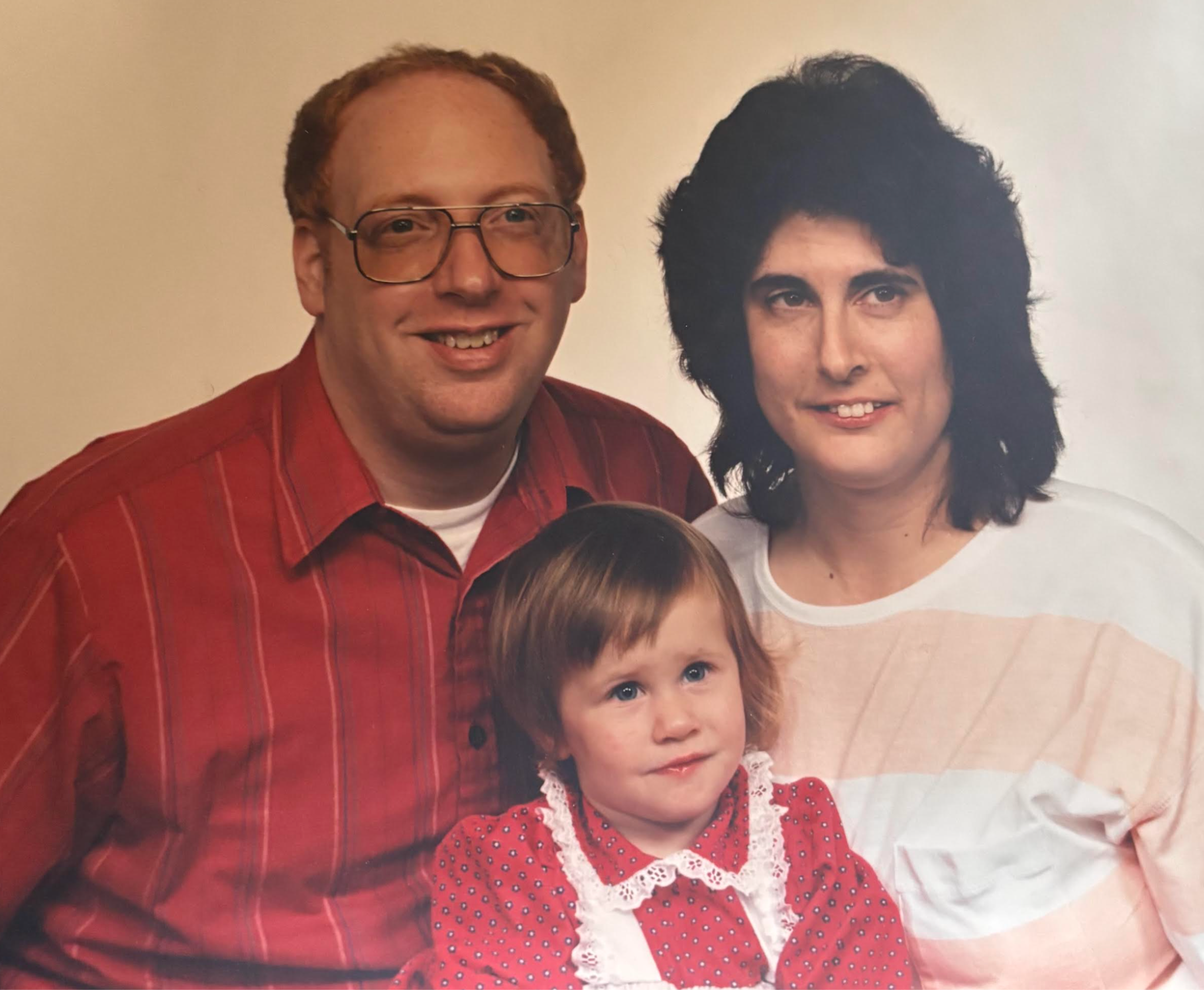
In October 1999, a few months after my 12th birthday, my mom received the news that she had Stage IV breast cancer. At first, doctors believed it was confined to her right breast, but she chose to undergo a double mastectomy. That decision turned out to be lifesaving; there was a hidden mass in her left breast that would have killed her within months if it had gone undetected.
Twenty-two years later, my mom died from metastatic ovarian and endometrial cancers.
My grief didn’t end there. It reshaped how I understand my body, my future, and my sense of control. In response to her illness and death and the anxiety and PTSD from caring for her in hospice, I became intensely focused on what I could control, especially my health.

In the years following my mom’s death, that vigilance intensified. A few months after she died, I had an abnormal Pap smear that sent me into a spiral of panic and additional medical appointments. Everything ultimately turned out okay, but it reinforced how quickly my body could become another place where fear took hold and how little control I actually had, even when I was doing everything “right.”
I also completed genetic testing for known cancer markers, which came back negative. It was hopeful news, but it didn’t fully resolve the anxiety. I understand that genetics is only part of the picture, and risk can still exist in ways that are harder to name or control.
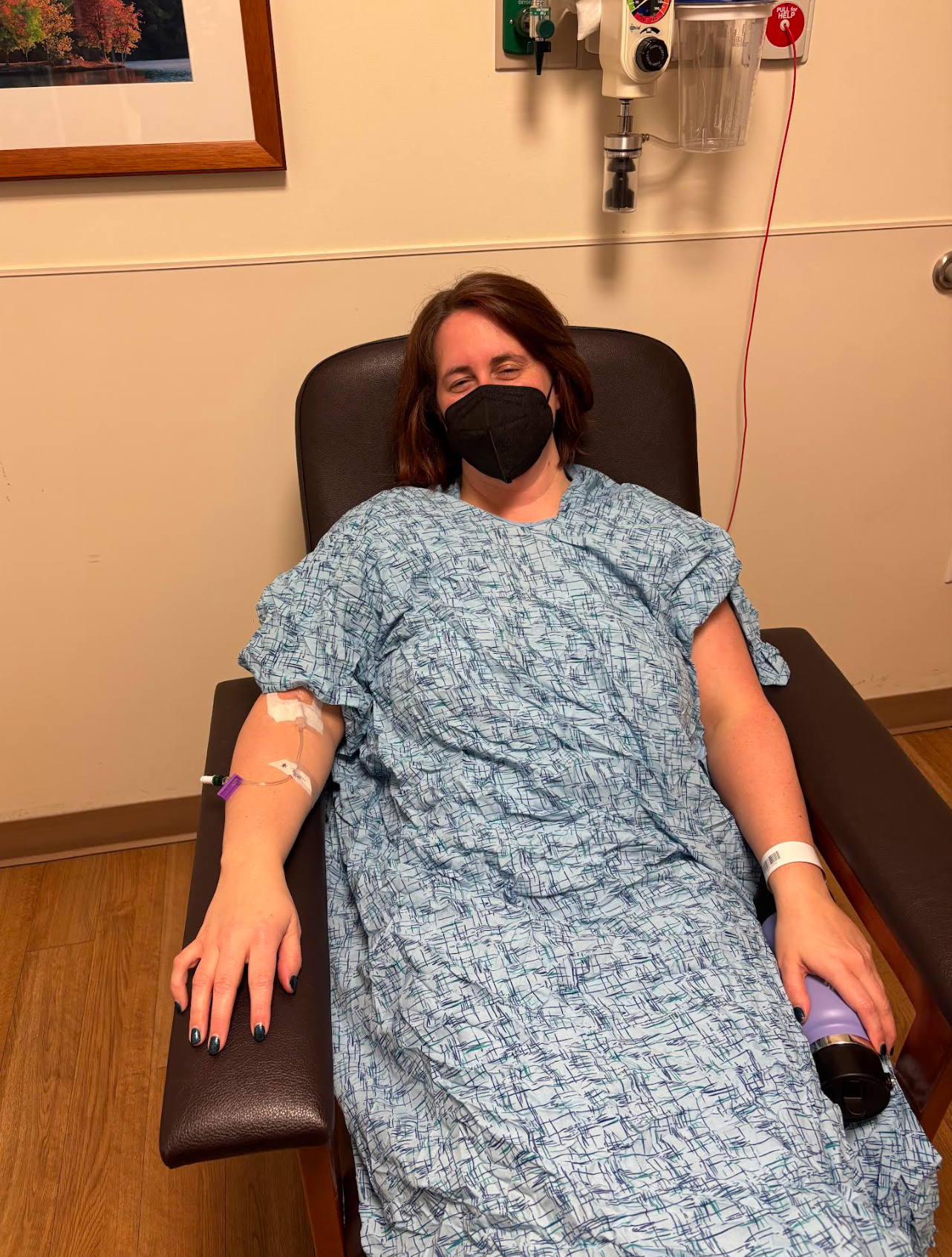
I began working with the Duke University Breast Cancer High Risk Assessment team and now get screened every six months, alternating between mammograms and breast MRIs. I carry a nearly 40% lifetime risk of developing breast cancer. Since I was 12, I’ve carried a plan in the back of my mind: that sometime in my 40s, I would choose to have a preventative double mastectomy, and have also considered a hysterectomy, reducing that risk to under 10%.
In my mind, I had always believed that by my 40s, I would already have three children.
But as I approached 39, something shifted.
My 30s have been defined by loss I never could have anticipated. I lost my dad suddenly to cardiac arrest when I was 30. I lost my mom at 34, in a way that felt both unexpected and destabilizing; we did not fully understand how advanced her cancer had become. In between and after those losses, I navigated the trauma of caring for someone I love while watching them die.
I have spent so much of the last decade in therapy and healing work, trying to metabolize grief and trauma, trying to keep going. And still, there are moments when I feel caught off guard by how much it has shaped me.
Turning 39 was one of those moments.
On my birthday, I broke down sobbing. I wasn’t only grieving my parents, I was grieving a version of my life I thought I would have by now. I know, intellectually, that there is still time to become a parent. But emotionally, time can feel like it is narrowing in a way I can’t control. My parents will never meet my children. I will never see them become grandparents. And some days that feels unbearably unfair.
Recently, during a therapy session, I found myself crying through most of it, which is not typical for me. I was mourning not just my parents, but the life I had once imagined for myself at this age. At one point, my therapist asked which decade I would never want to relive. She said her 20s. I answered without hesitation: my 30s.
These have been the hardest years of my life.
And yet I am still here, trying to make meaning of what it means to carry grief forward. Trying to live inside a body that holds both high medical risk and deep emotional history. Trying to believe that a future can exist that doesn’t erase what I’ve lost, but also isn’t defined entirely by it.
Some days that feels possible. Other days it doesn’t.
What I know for certain is this: grief doesn’t stay in the past. It moves with you. It reshapes what you imagine for yourself. And sometimes it asks you to rebuild your future from a place you never expected to start from.
Rebuilding doesn’t always look like clarity. Sometimes it looks like uncertainty, and I no longer rush to resolve. Sometimes it looks like allowing two truths to exist at once: that I am deeply grieving the life I thought I would have by 39, and that I am still allowed to want a future I haven’t yet figured out how to name.
There are days when I feel defined by absence: by the people who are gone, by the milestones they won’t witness, by the timelines that no longer match what I once imagined. But there are also quieter moments where I notice something else: that I am still here. Still moving through the world. Still capable of laughter, connection, even desire for what comes next.
I don’t know what my 40s will look like. I don’t know if I will become a parent, when I will choose surgery, or how my risk will shape my body. I don’t know how grief will continue to evolve.
What I am learning is that not knowing is not the same as being lost.
It is uncomfortable, sometimes painful, but also where whatever comes next begins to take shape, not in certainty, but in something more fragile and more honest.
I used to think my life would follow a clearer arc by now. Now I understand it more as something I am still learning how to live inside. Not resolved. Not finished. Still becoming.
And maybe that is its own kind of continuation.
Not a return to who I was before loss, but a slow, imperfect movement toward a future that can hold both grief and whatever else is still waiting to arrive.


.png)
.png)
.png)