

The Complex, Potent Grief That People Live With in Prison
Grief lives in prisons. It’s constant, nuanced, and potent for people who are incarcerated. Grief can show up in the immediate, after the death of their friend or a neighbor in someone’s housing unit. A close friend inside could be transferred to another facility. Or, a request for parole is denied, and people have to wait many years before they can try again.
Another kind of grief is deep, gnawing, and complex. Wrongfully convicted people sit with the reality of never knowing if they’ll be let out. Many grieve their crime and the people they hurt daily. There is often unresolved grief around childhood trauma, as 98% of incarcerated people have had one Adverse Childhood Experience (ACEs). Mother’s Day and Father’s Day are particularly hard. Parents and grandparents who are incarcerated do not get to see their children and grandchildren grow up, cook dinner for them after school, or be close to them without a correctional officer watching their every move (and the body cavity searches that follow every family visit).
It can be difficult to grieve in prison with limited privacy, and often, it’s a form of protection to hide it. If someone is crying or depressed during their grieving process, it can be misread by a correctional officer or medical professionals that they are “at risk” and people are placed in a medical hold or solitary confinement.
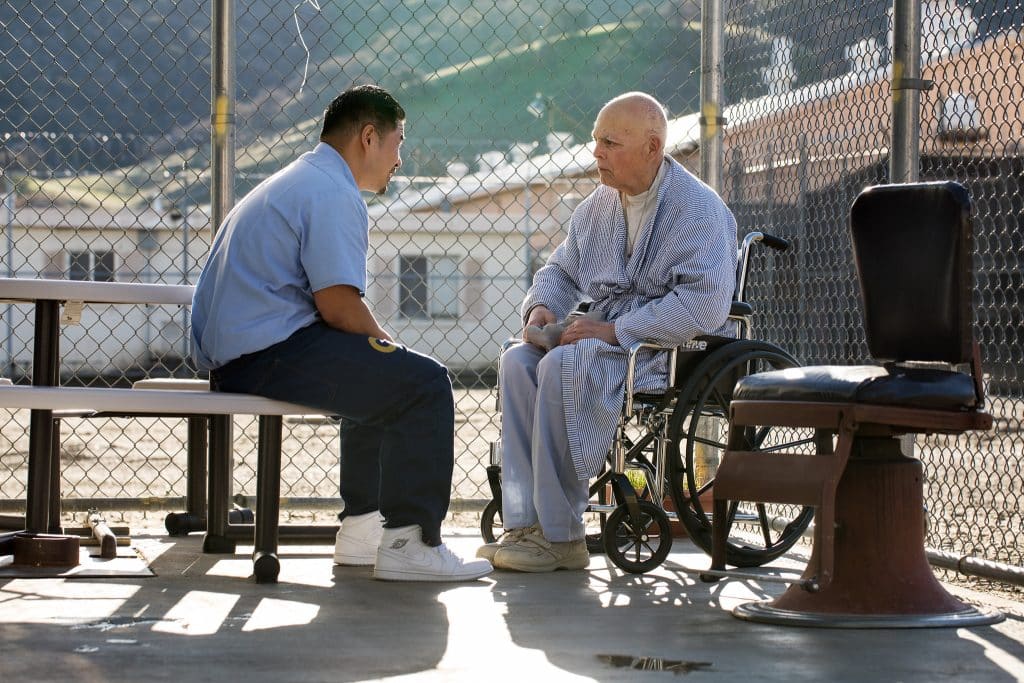
One of the heaviest griefs is grappling with the brutal reality of getting old and dying in prison. It’s a thought that crosses everyone’s minds, and for people serving life without parole, it’s a daily hum. At the Humane Prison Hospice Project, we hear it often in the support groups we run at prisons in California and Michigan. Because in prisons across the country, death is a lonely experience. People die alone in their cells or in an infirmary. If they are transported to a hospital, they are chained to a bed with two guards standing outside the door.
Hospice programs exist in less than 5% of U.S. prisons, and yet, we have one of the most rapidly aging populations of incarcerated people. In the U.S., the number of people aged 55 and older who are in prison jumped from 2.6% in 1990 to 15% in 2024. By 2030, the U.S. Census Bureau projects that number to be closer to 30%.
People are aging, living with chronic illnesses and diseases, and dying in prison, oftentimes without anyone they know sitting with them through pain or in those final moments.
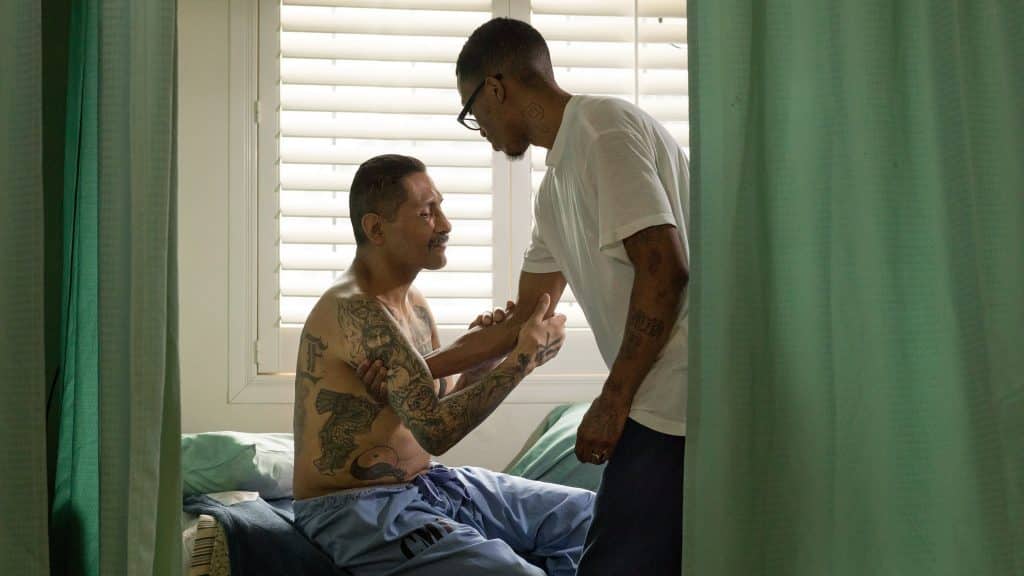
This is where incarcerated peer caregivers come in. Part of a multidisciplinary team of doctors, nurses, social workers, and chaplains, peer caregivers serve as grief companions and trusted advocates for patients, helping people feel safe and understood. They know the rhythms of a prison and the rules, and they also know their peers. They’re their neighbors and bunkies, they say hello in the yard, or attend programming or college together.
Peer caregivers recognize the complex, nuanced grief that people experience in prison because they too also experience a similar grief. They’re there every day to assist aging, ill, or dying people with daily life activities, read or share stories with them, or play a game of chess. And for the final hours, they’re sitting vigil at their bedside, 24/7, making sure no one dies alone.
At Humane, our mission is to revolutionize end-of-life care and aging in prisons through the peer caregiver model.
We provide an 80-hour, 16-module curriculum for peer caregivers that spans the basics and the intricacies of hospice, palliative, memory, and geriatric care. As of today, we’ve trained 216 caregivers in two states, many of whom have already been doing this work in outpatient units, infirmaries, and skilled nursing facilities within a prison.
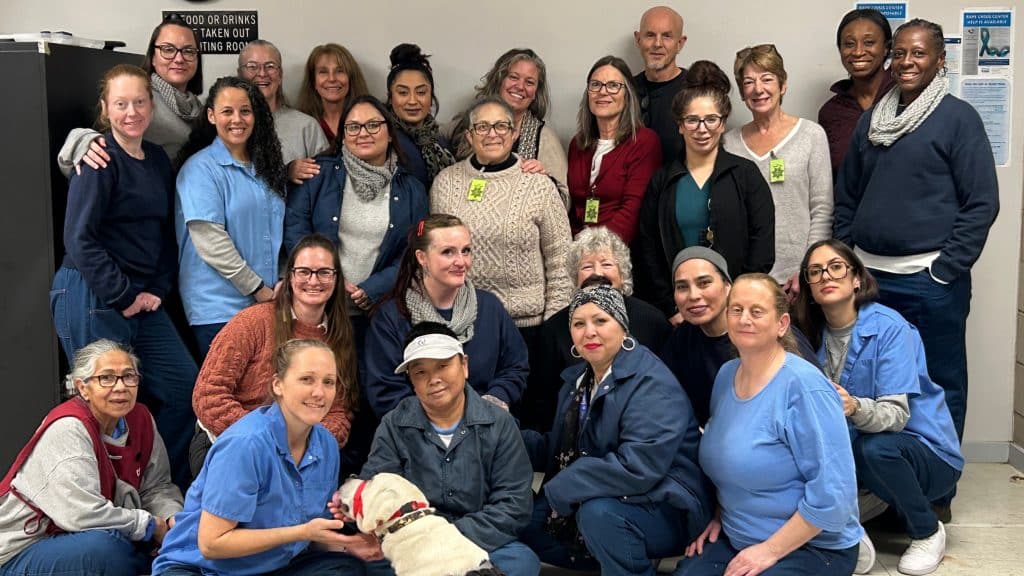
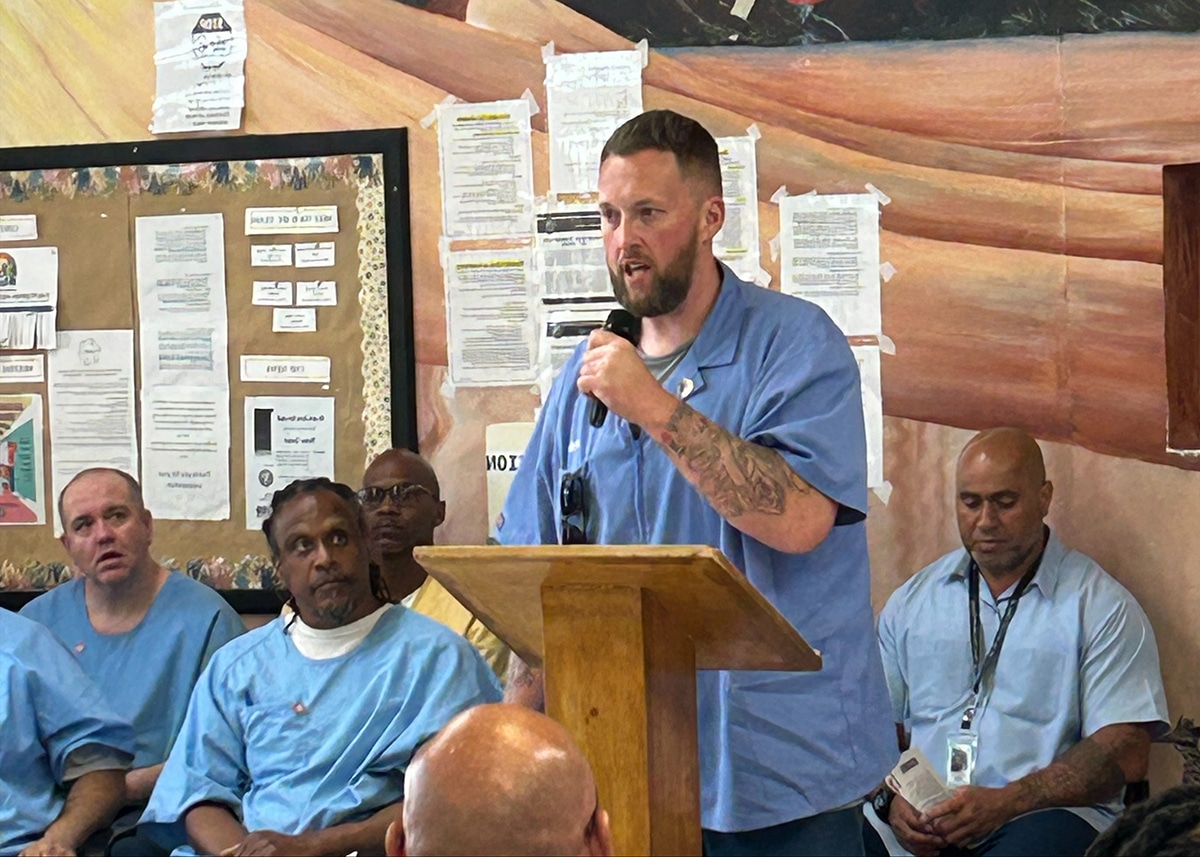
“What this program has done for me… it has allowed me to be compassionate, to show compassion, and also to receive compassion,” a peer caregiver at a California women’s facility shared with us. “I went into this program hoping to give, but instead, I feel that this was more of a gift given to me, that is unforgettable, allowing me to be a living amends.”
For many caregivers, there is a renewed sense of purpose in this work and that their compassion and empathy are finally recognized through caregiving. “I’ve done everything else this prison has to offer, and it hadn’t had me on my butt like this one,” said another caregiver. “This program had me look within and grieve my losses in a healthy manner. It gave me a sense of comfort and permission to release what I've been holding onto for a long time.”
Everyone we work with recognizes that each person deserves to be cared for, with compassion and dignity, no matter who they are. Compassion, care, empathy, and love are inherent to all humans, and despite the cruel nature of the carceral environment, these most basic human qualities are there in prisons throughout the world.
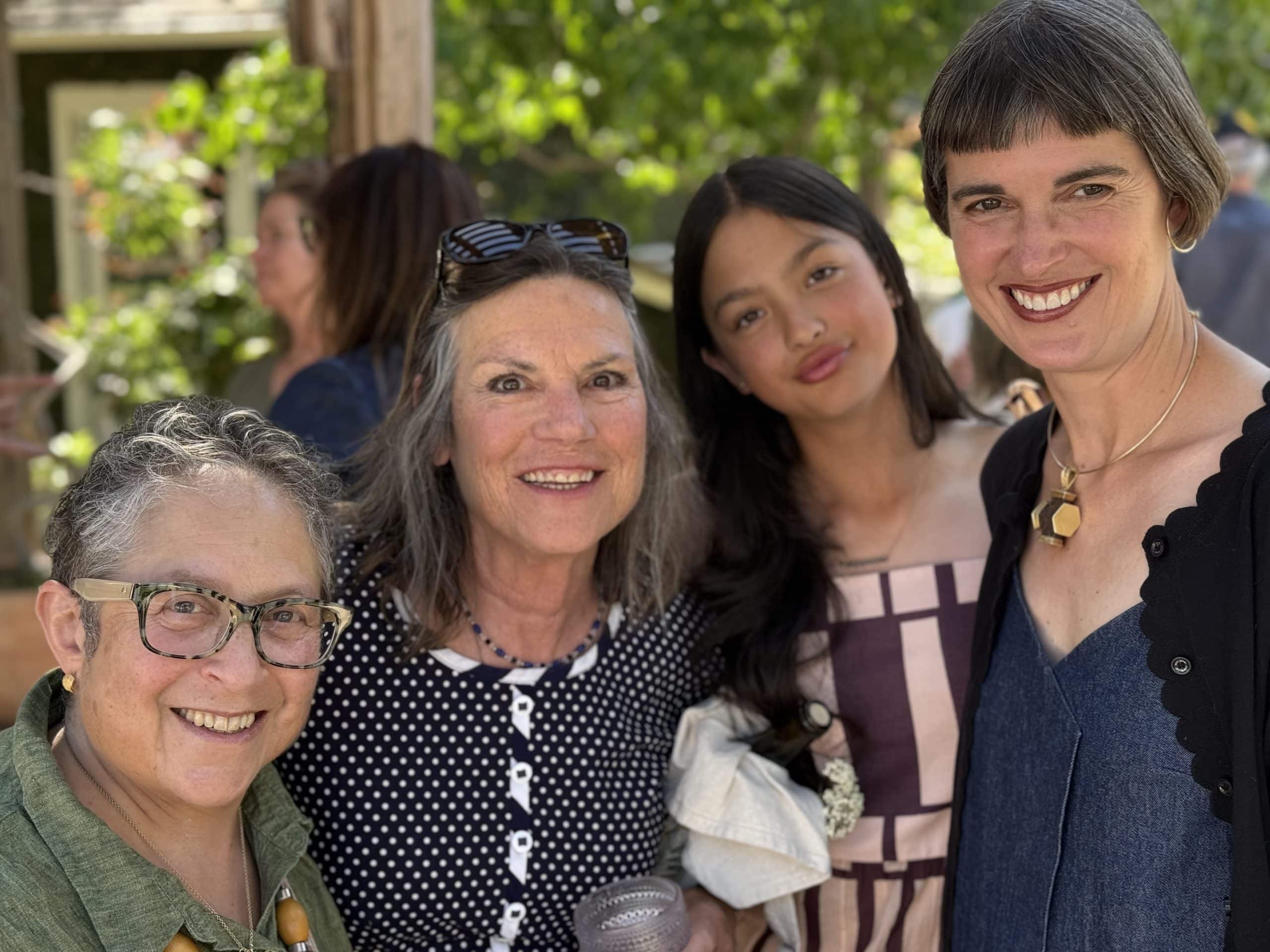
We’re not walking into prisons to train people to be compassionate and to sit with someone in their grief. It already exists there.
Peer caregivers stay with each other. They are a compassionate presence who sits with the grandmother who, at 95, cannot have her children or grandchildren with her as she transitions. People in prison are caring for each other because they want to care for their neighbor just like they hoped to care for their mom or dad. They care for their neighbor the same way they want to be cared for someday when they are dying, to sit with them in their grief and in their joy.
Grief lives in prisons. And you know who else does? Compassion and care, those most basic roots of community. It’s time to recognize that.
For more information about grieving while incarcerated, check out this grief guide from The Marshall Project.


.png)
.png)
.png)