
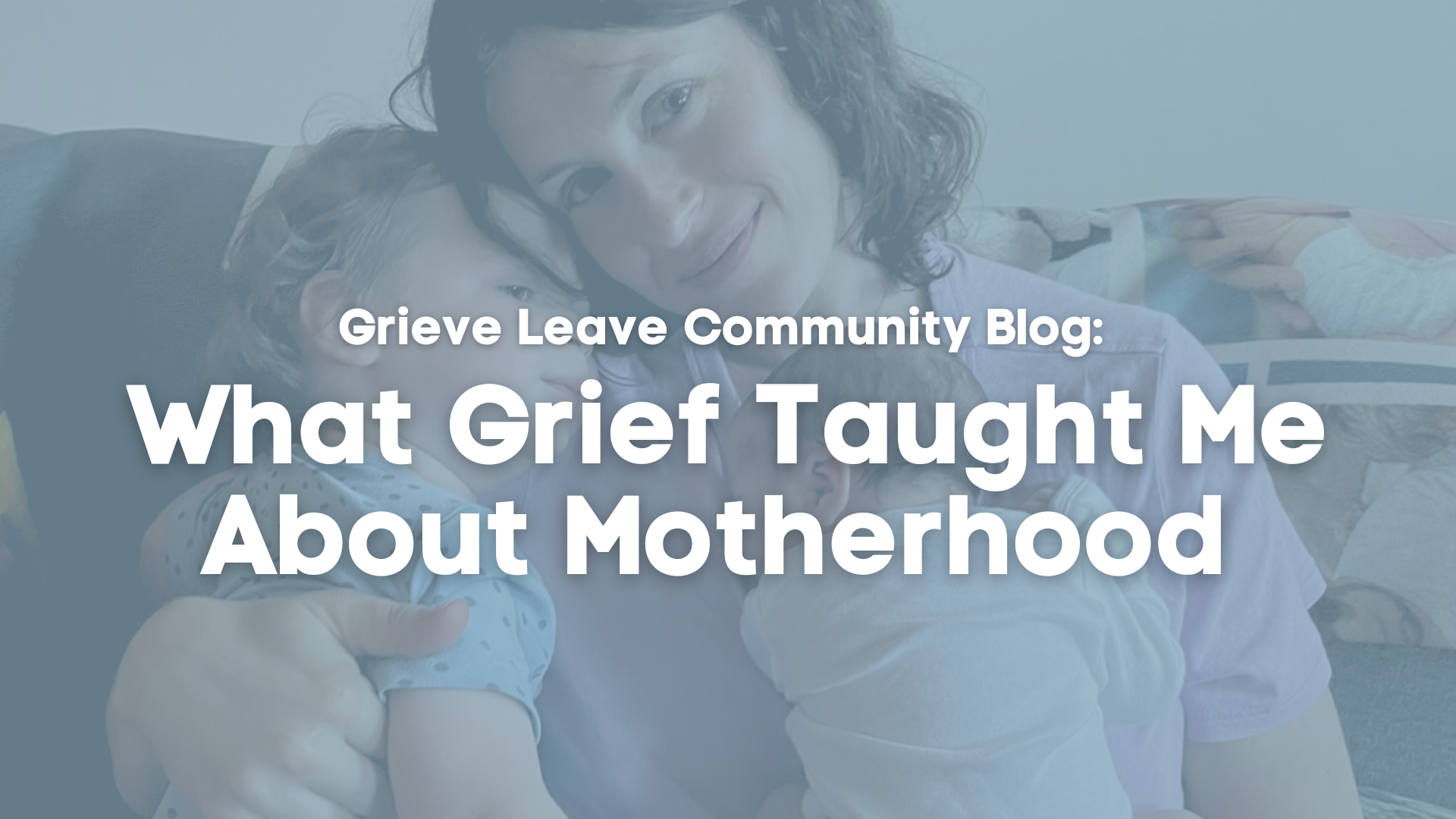
What Grief Taught Me About Motherhood
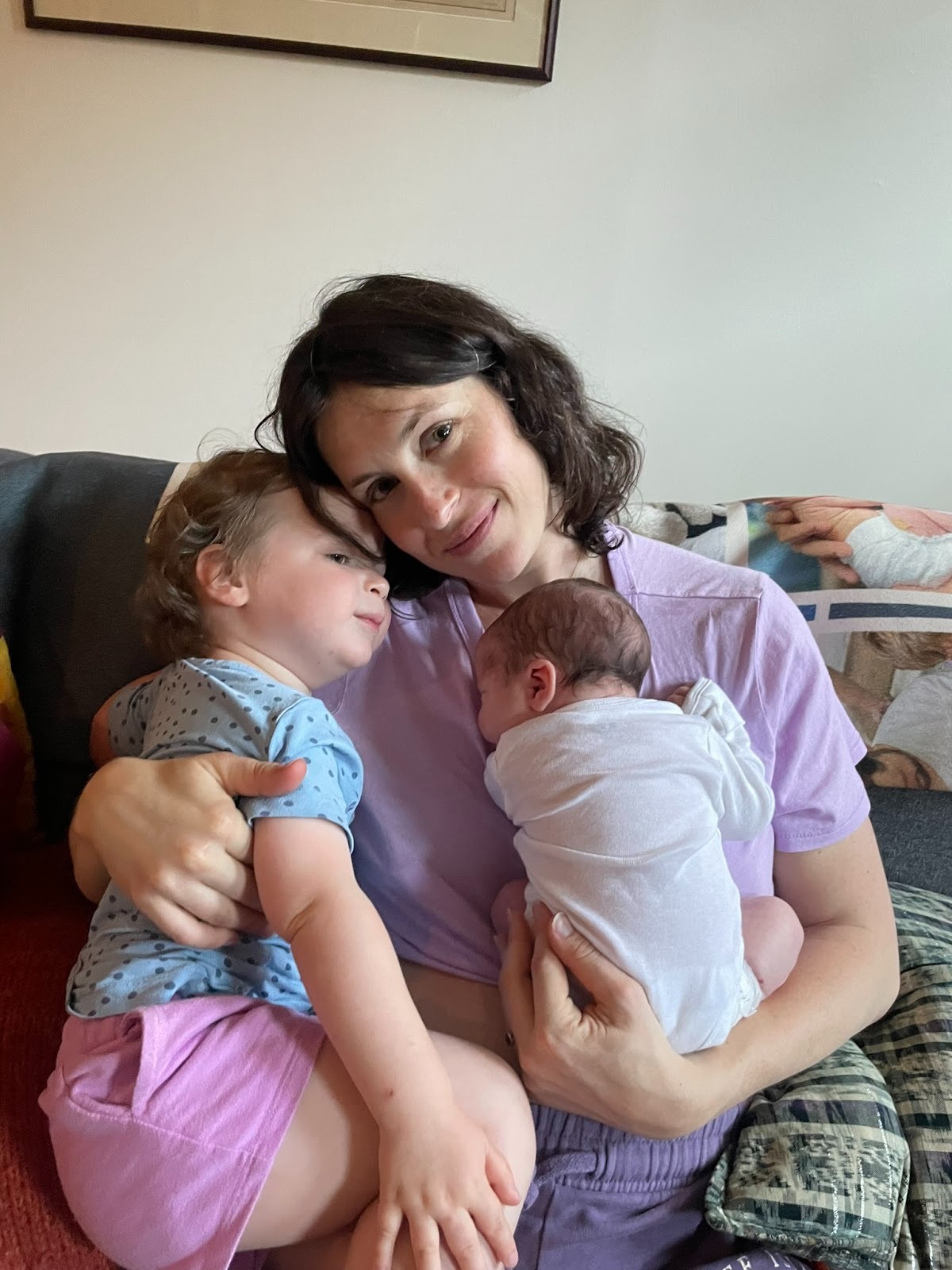
My mom, Paula, died at 5:47 a.m. and by 7 p.m. I was back to singing bedtime songs to my toddler. I wasn’t ready to be anyone’s mother that night, but motherhood doesn’t pause for loss.
During her illness, I had spent months stretched between nurturing a new life and saying goodbye to the woman who taught me how to nurture in the first place. Somehow, motherhood prepared me for the beginning of life and the end of life, but not for doing them at the same time.
That night, I didn’t want to be wrestling a toddler into pajamas. But the unspoken rule of motherhood says the more you sacrifice, the better parent you are. So even though my role as a mourner was just beginning, my role as a mother never stopped.
What I didn’t realize then was how profoundly grief would change the way I mother.
After my mom died, I quickly fell back into the familiar script of motherhood: your needs come last. When I needed quiet, my son needed a story. When I needed rest, my kids needed to play. When I needed support, my babies needed me more.
The less I tended to my grief, the more praise I got. “You’re so strong” and “you’re so brave” replaced “How can I help?”. Affirmations instead of assistance made me feel like I was doing something right. I wore the martyrdom of motherhood like a badge of honor.
But by focusing on being everything for everyone else, I was becoming a shell of myself and the mother I had been before grief came into my life. I was there, but I wasn’t present. I was distracted, depleted, and quite plainly depressed. Ignoring my grief meant I was ignoring myself.
Grief, the great teacher.
It took grief about a year to lose patience with my performance of strength. As the months of mourning wore on, so too did the shine on my badge of self-reliance.
The sheer weight of loss forces you to rethink, reimagine, and reengineer how you show up in your life and my load had become too heavy to carry. Slowly, painfully, I worked up the courage to say the three hardest words in the English language: I need help.
And once I started asking for help, I realized I didn’t need help…I wanted it.
My mom was my best friend, and I feel her presence everywhere. That kind of presence is what it means to have a legacy. And it made me ask myself: What kind of presence do I want to leave my boys? What kind of legacy am I creating from this depleted place? What will they carry of me when I’m gone?
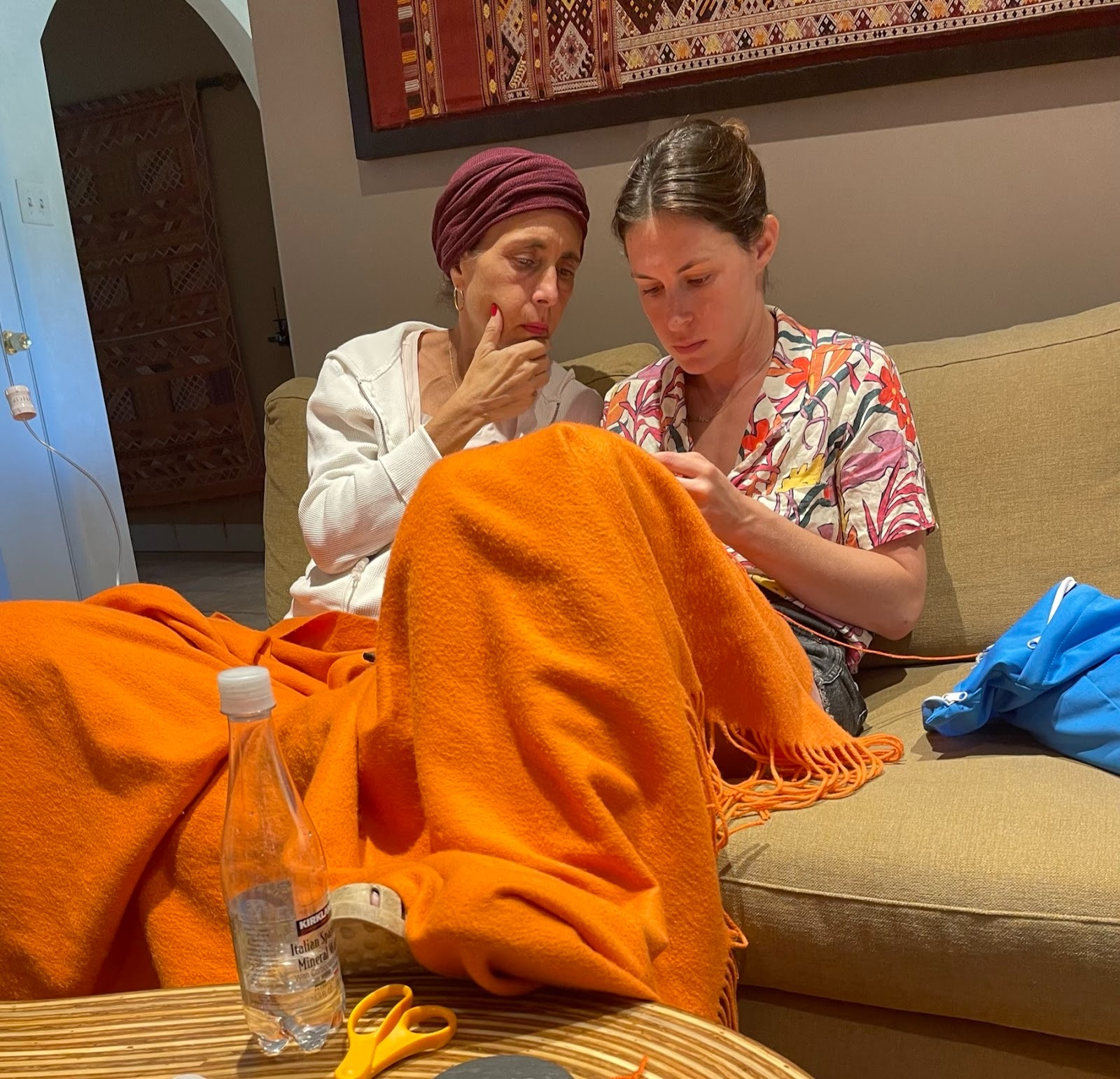
Losing my mom gave me a front-row seat to not just what it means to be someone’s child, but what it means to be someone’s mother. Grief showed me that the greatest responsibility of motherhood isn’t doing it all. It’s spending your time intentionally working to be the present, loving, generous, kind, and thoughtful parent you want your kids to remember.
And the only way I could become that person was by tending to myself. But when you’ve spent decades caring for others, flipping that script was hard.
Talking about my grief was hard. Letting go of friendships that drained me was hard. Realizing that I needed to leave my corporate job was hard.
Building a business based on community, honest conversations, and saying the uncomfortable truths about loss out loud was hard. It is hard. Except that it’s also easy.
Easy because these aren’t branding decisions, they are legacy decisions. They are motherhood decisions.
Building Keriah Grief Coaching isn’t separate from my grief or my motherhood. It’s part of how I stay well enough to be the mother I want to be. It’s how I practice what I want my boys to inherit: community, care, reflection, courage, softness, and the refusal to do life alone.
I’m done trying to be the perfect mother. Now, I’m trying to be the kind of mother who shows her kids what it looks like to take care of yourself so that one day, when they need help, they’ll know how to ask for it too.
The Real Lesson
Grief made my world smaller in the best way. It stripped away what didn’t matter and sharpened what did: the clarity that taking care of myself isn’t stepping away from my kids. It’s how I stay close to them. It's how I become the mother they’ll feel long after I’m gone.
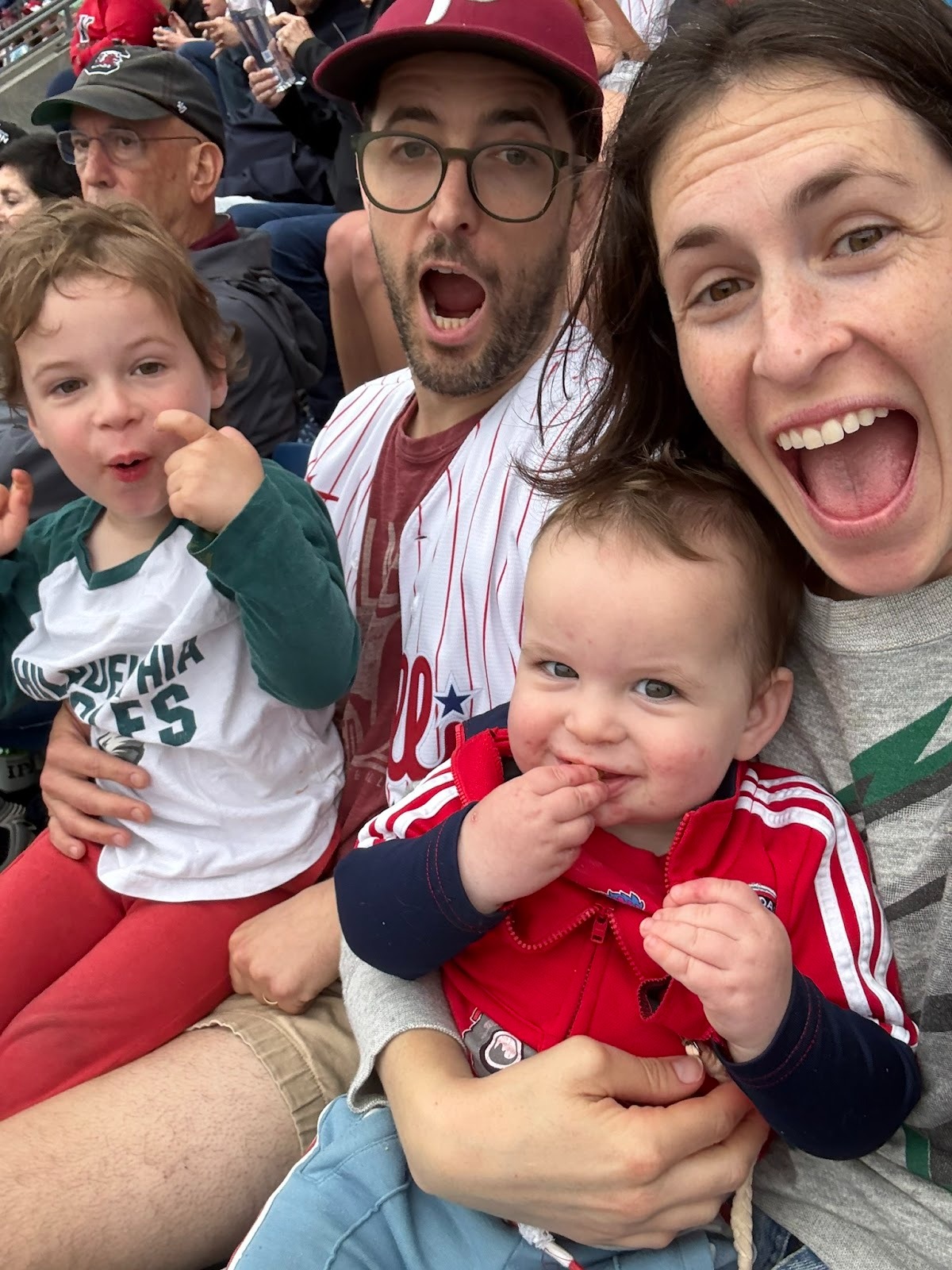
If we stopped glorifying self-sacrifice, more people might actually do more than survive the relentless demands of life — grief and all.


.png)
.png)
.png)